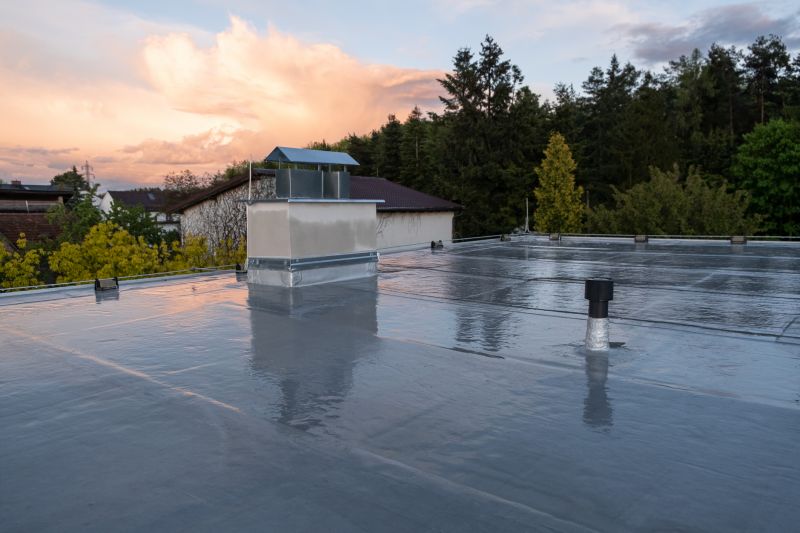

Cost of Vapor Barrier Installation in Amherst, OH
Vapor barrier installation costs in Amherst, OH, can vary depending on several factors, including the size of the area, type of materials used, and site-specific conditions. Typically, expenses are influenced by the scope of the project, the complexity of the installation, and the labor involved. It is important to consider these elements when estimating overall costs for vapor barrier projects in the area.
Final pricing for vapor barrier installation will differ based on the chosen materials, the extent of the work required, and site conditions such as accessibility and existing structures. To obtain an accurate estimate, it is recommended to evaluate the specific needs of each project, as costs can fluctuate significantly based on these variables. Comparing options and understanding what influences pricing can help in making informed decisions about vapor barrier solutions in Amherst, OH.
Price Range Overview
$1,200 - $2,800 (smaller scope)
$2,500 - $5,000 (moderate scope)
$4,000 - $8,000 (larger scope)
$1,500 - $3,000 (basic installation)
$3,500 - $7,000 (comprehensive project)
| Project Type | Typical Range |
|---|---|
| Basic Vapor Barrier | $1,200 - $2,000 |
| Insulation with Vapor Barrier | $2,000 - $3,500 |
| Complete Basement Sealing | $3,000 - $6,000 |
| Garage Vapor Barrier | $1,500 - $2,800 |
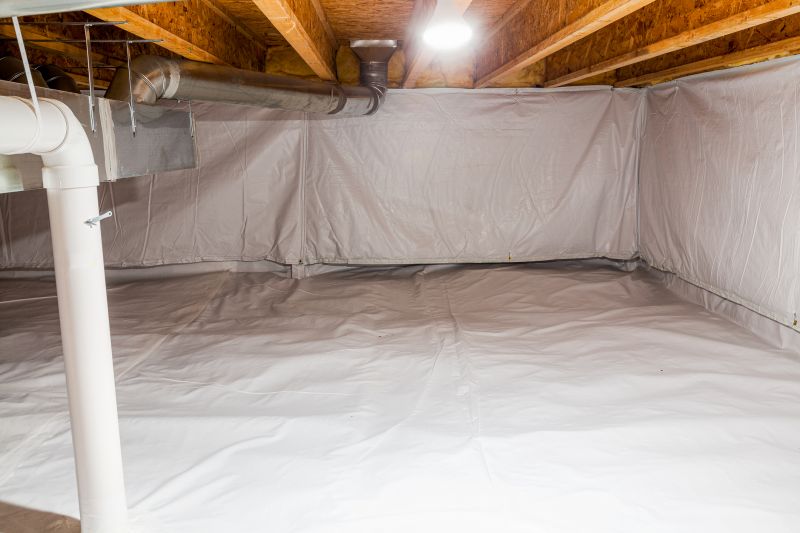
| Crawl Space Vapor Barrier | $1,200 - $2,500 |
| Multiple Room Installation | $4,500 - $8,000 |
Factors Affecting Cost
Vapor barrier installation is a common step in building or renovating basements and crawl spaces in Amherst, OH. Proper installation helps control moisture and reduce potential issues related to mold and structural damage. Understanding the typical scope and considerations can assist in planning and comparing options for this project.
- Materials: Polyethylene plastic sheeting, typically 6-10 mil thick, is used as the vapor barrier to prevent moisture transmission from ground or surrounding soil.
- Size and Scope: Installation generally covers basement or crawl space floors, with additional sealing of walls or joints as needed, depending on the area size.
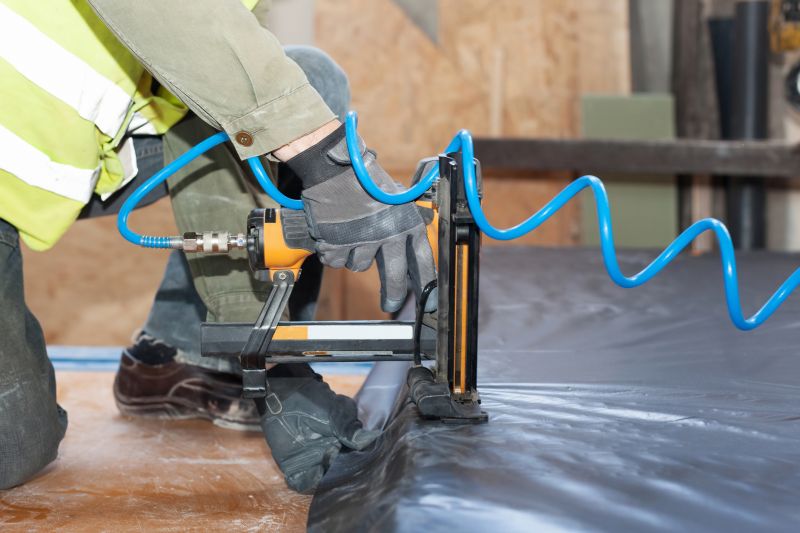
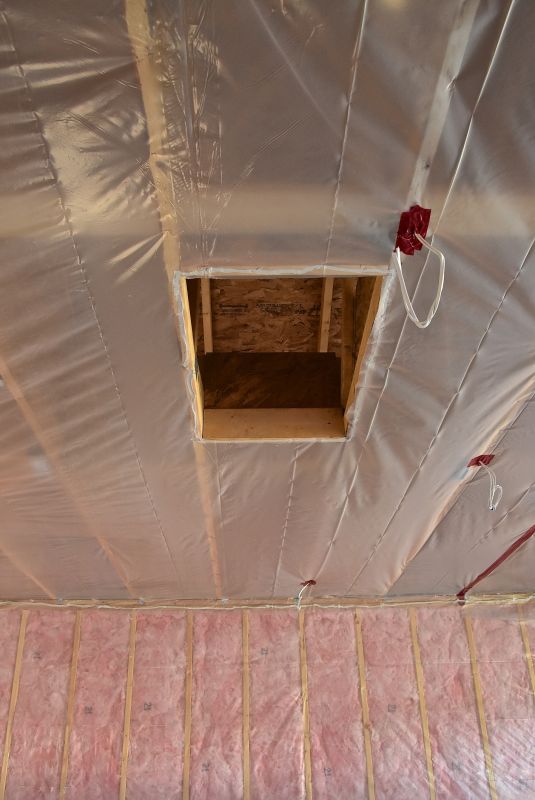
- Labor Complexity: The process involves laying out, cutting, and securing the vapor barrier, often requiring minimal disruption but attention to detail for proper sealing and overlaps.
- Permitting: Local building codes may require permits for moisture control modifications, especially in finished or occupied spaces.
- Additional Options: Considerations include adding insulation, sealing vents, or installing drainage mats for comprehensive moisture management.