
Top Waterproofing Products for Reliable Moisture Protection
Discover the leading waterproofing solutions designed to safeguard your property from water damage and ensure long-lasting durability.
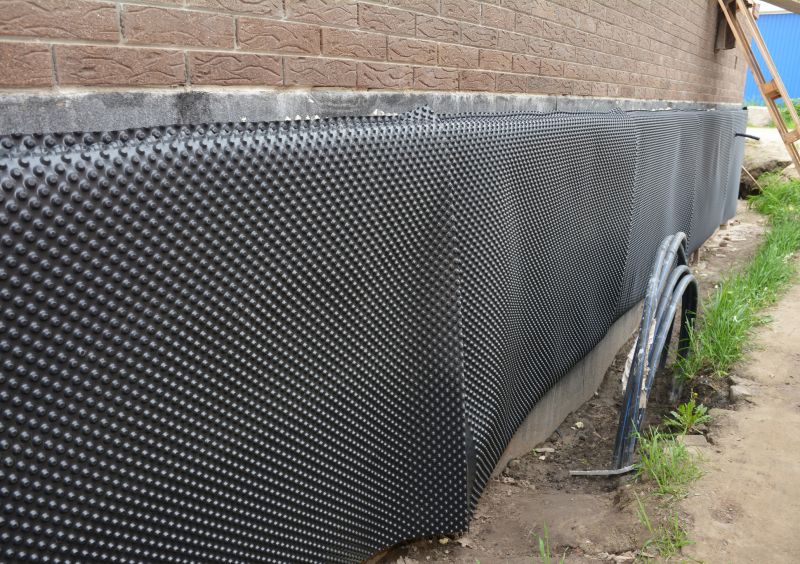 Waterproofing products are essential for protecting structures from moisture intrusion, preventing water damage, and maintaining the integrity of surfaces in various environments. Whether for residential, commercial, or industrial applications, choosing the right waterproofing solution depends on factors such as surface type, exposure conditions, and longevity requirements. Commonly used materials include liquid coatings, membranes, sealants, and specialized paints, each designed to address specific waterproofing needs.
Top Overall Option
Liquid Waterproofing Membrane
A versatile liquid membrane offers a seamless, flexible barrier that can be applied to a variety of surfaces, providing effective water resistance. Its ease of application and adaptability make it suitable for both small repairs and large-scale projects, making it a popular choice for many waterproofing needs.
Types of Products For Waterproofings
Liquid Waterproofing Membranes
Flexible, seamless coatings that can be brushed, rolled, or sprayed onto surfaces for waterproof protection.
Bituminous Coatings
Asphalt-based coatings suitable for roofing and foundation waterproofing with durable, weather-resistant properties.
Rubberized Sealants
Elastic sealants designed to fill cracks and joints, maintaining waterproof integrity over time.
Polyurethane Coatings
High-performance coatings offering strong adhesion and flexibility for various surfaces.
Cementitious Waterproof Coatings
Ready-mix or dry-mix cement-based products ideal for basement walls and tanks.
Sheet Membranes
Pre-formed waterproof membranes made of PVC, TPO, or EPDM for large surface areas.
Liquid-Applied Membranes
Spray or brush-applied coatings that form a continuous waterproof layer.
Waterproofing Paints
Specialized paints that provide a water-resistant surface layer for walls and roofs.
Crack Repair Sealants
Sealants formulated to fill and seal cracks to prevent water penetration.
Hydrophobic Sprays
Sprays that penetrate surfaces to repel water and reduce moisture absorption.
Foundation Coatings
Specialized coatings designed specifically for foundation walls to prevent water ingress.
Roof Coatings
Waterproof coatings formulated for roofs to extend lifespan and prevent leaks.
Drainage Mats
Materials installed behind walls or under slabs to facilitate water drainage and reduce hydrostatic pressure.
Waterproofing Tapes
Self-adhesive tapes used to seal joints, seams, and cracks in various surfaces.
Spray-On Waterproofing
High-pressure sprays that create a durable, waterproof barrier on large surfaces.
Waterproofing Collars
Protective collars used around pipes and penetrations to prevent leaks.
Popular Choices
Widely used for their seamless application and adaptability across different surfaces.
Commonly selected for roofing and foundation projects due to their durability.
Popular for their strong adhesion and flexibility in demanding environments.
Preferred for large-scale waterproofing applications such as roofing and underground structures.
Chosen for surface protection and quick application on walls and ceilings.
Essential for sealing joints and cracks to maintain waterproof integrity.
Popular for surface treatments that repel water and reduce absorption.
Commonly used to protect basement and foundation walls from water intrusion.
Frequently selected for extending roof lifespan and preventing leaks.
Effective for managing water flow behind walls and under slabs.
Convenient for sealing seams and joints in various waterproofing applications.
In residential settings, waterproofing is often applied to basements, foundations, roofs, and bathrooms to prevent leaks and structural deterioration. Commercial and industrial projects may require more robust solutions capable of withstanding higher water pressures or chemical exposure. Proper surface preparation, application techniques, and product compatibility are crucial to achieving effective waterproofing results. Regular maintenance and inspections also play a vital role in ensuring long-term performance.
Advancements in waterproofing technology have introduced versatile products that can be applied to various surfaces such as concrete, wood, metal, and asphalt. Some products offer flexible, elastic properties to accommodate structural movements, while others provide a seamless barrier against water ingress. Selecting the appropriate product involves understanding the specific environmental challenges and the desired lifespan of the waterproofing layer. Consulting with professionals or product experts can help identify the most suitable options for each project.
In Lorain, Ohio, where weather conditions can include significant precipitation and seasonal temperature variations, investing in reliable waterproofing solutions is particularly important. Proper application can help mitigate issues related to water intrusion, mold growth, and structural weakening, ultimately preserving the value and safety of properties. With a wide array of products available, consumers and contractors should prioritize quality, compatibility, and ease of use when making their selections.
Key Buying Considerations
- Surface compatibility: Ensure the product is suitable for the material you intend to waterproof.
- Application method: Choose a product that matches your preferred application technique, such as brushing, spraying, or rolling.
- Environmental exposure: Consider whether the surface will face constant water exposure, UV rays, or chemical contact.
- Flexibility and elasticity: For surfaces prone to movement, select products with elastic properties.
- Durability and lifespan: Look for products designed to maintain their waterproofing qualities over time.
- Ease of application: Consider whether the product requires professional installation or can be applied DIY.
- Curing time: Check how long the product takes to dry or cure before it can be exposed to water or use.
- Compatibility with existing materials: Ensure the new waterproofing layer adheres well to the existing surface.
- Cost and budget: Balance the quality and longevity of the product with your budget constraints.
- Maintenance requirements: Some products may need periodic reapplication or inspection.
- Environmental conditions: Be aware of temperature ranges and weather conditions during application.
- Safety and VOC content: Choose products with low VOCs and safe handling instructions.
- Code compliance: Verify that the product meets local building codes and standards.
- Coverage area: Calculate the amount needed based on the surface area to avoid shortages.
- Warranty and support: Consider products that come with manufacturer support or warranties for peace of mind.
This page contains affiliate links. We may earn a commission if you purchase through these links, which helps support our content creation.